AI-powered personal cookbook
From Concept to Fullstack MVP in 3 Weeks Building AI-powered Cookbook App
Key Tools & Techniques
- Lovable
- React, Tailwind
- Supabase
- Gemini
01
Challenge
Modern users are overwhelmed by "culinary chaos." Recipes are scattered across Instagram, TikTok, bookmarks, and physical books. There is a lack of a single, intelligent hub that doesn't just store recipes but actively reduces the cognitive load of meal planning and grocery shopping.
Business Goal: Build a full-featured MVP to validate the hypothesis: "Can automated recipe ingestion and smart organization significantly improve the daily cooking experience for busy professionals?"
02
Process
Discovery & AI-Powered Research
Instead of months of analysis, I utilized a Rapid Discovery framework:
AI-Driven Market Analysis:
Used LLMs to scrape and synthesize user pain points from top-tier cooking apps (App Store/Play Store sentiment analysis).
Qualitative Interviews:
Conducted lightning-fast interviews with 5 target users (busy professionals and young parents) to identify "must-have" vs. "nice-to-have" features.
Key Insight:
Users don't want another database; they want a "digital sous-chef" that makes capturing inspiration effortless.
Product Strategy
I defined a lean MVP Scope focused on three pillars:
Seamless Input:
Instant recipe capture from various sources.
Smart Organization:
Intuitive categorization and rapid search.
Actionable Outputs:
One-click grocery lists and weekly scheduling.
Execution (The Lovable Way)
The core of this project was the use of Lovable, which allowed me to bypass traditional bottlenecks.
Speed:
Developed the entire frontend and backend logic in a fraction of the time required by traditional coding.
Iteration:
The AI-native environment allowed me to implement changes in real-time during user testing sessions.
Scalability:
Unlike simple no-code tools, this stack generated clean, exportable code ready for production-level scaling.
Feedback Loop & Iteration
After launching the demo to a test group, I gathered immediate feedback:
Friction Point:
Users identified several inconsistencies in the meal generation process and the quality of the initial outputs.
Action:
Overhauled the UX flow and engineered a custom "instruction framework" to optimize AI results while efficiently managing credit consumption.
Result:
Achieved an approx. 40% increase in perceived "ease of use" and "output quality" in follow-up surveys.
03
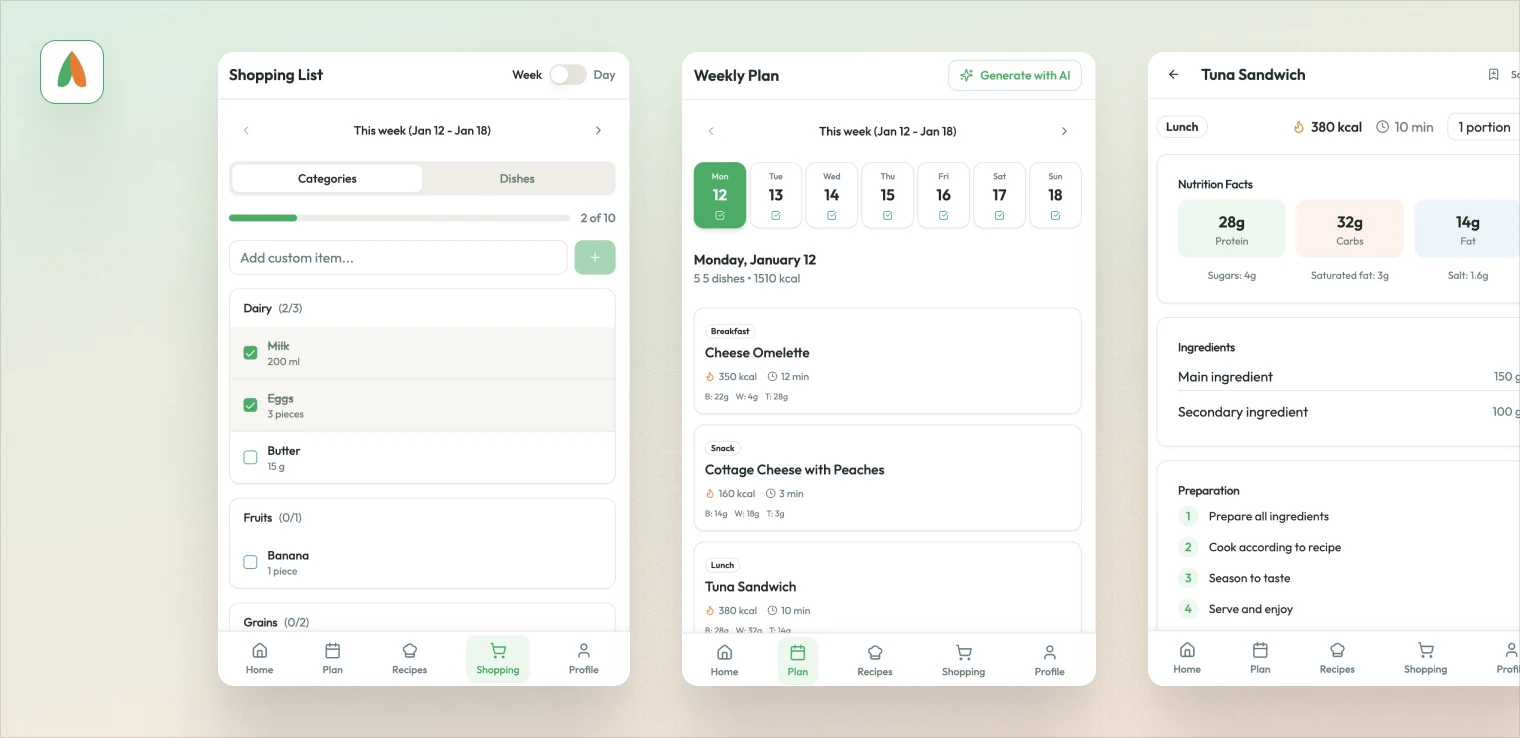
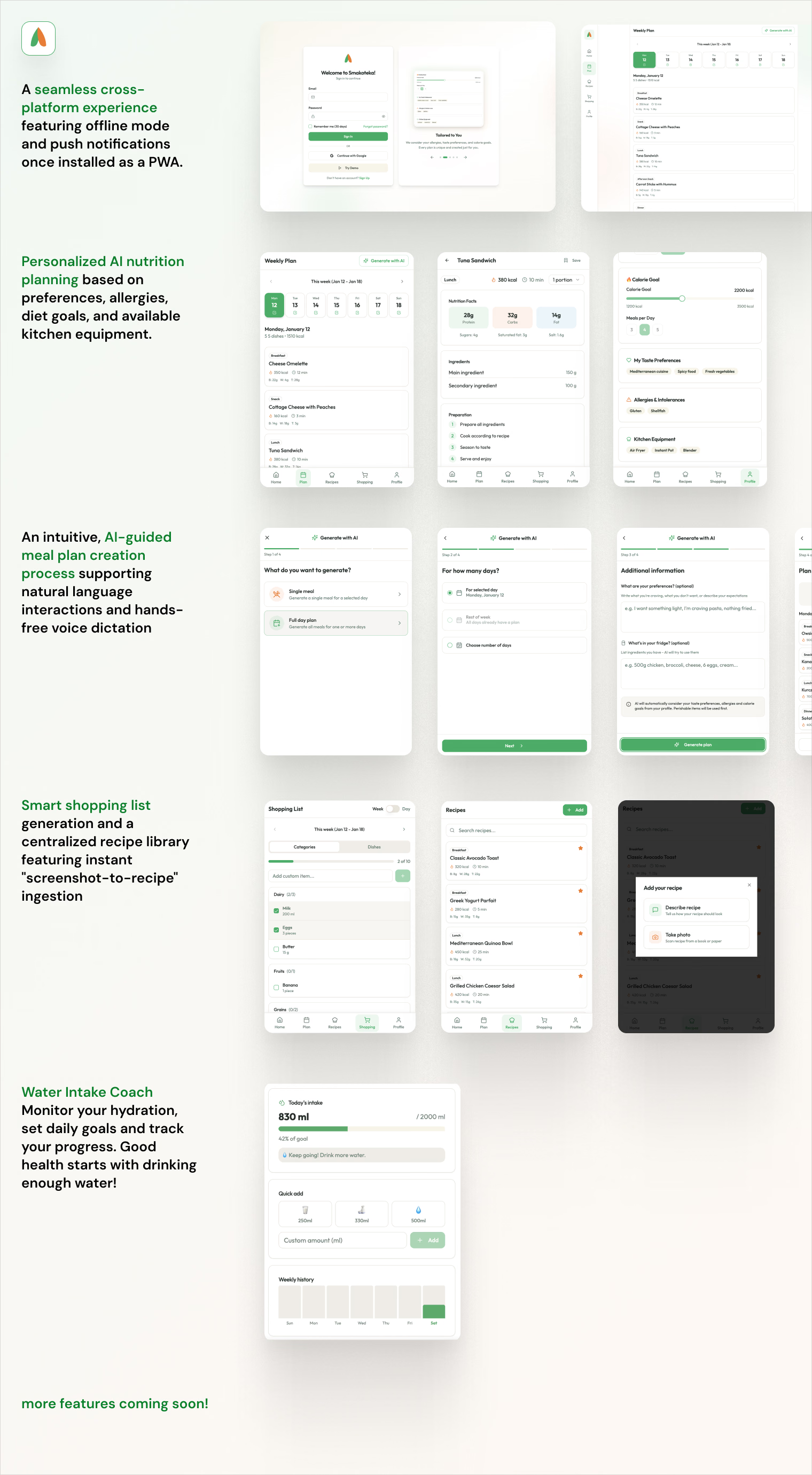
The App
04
User Testing
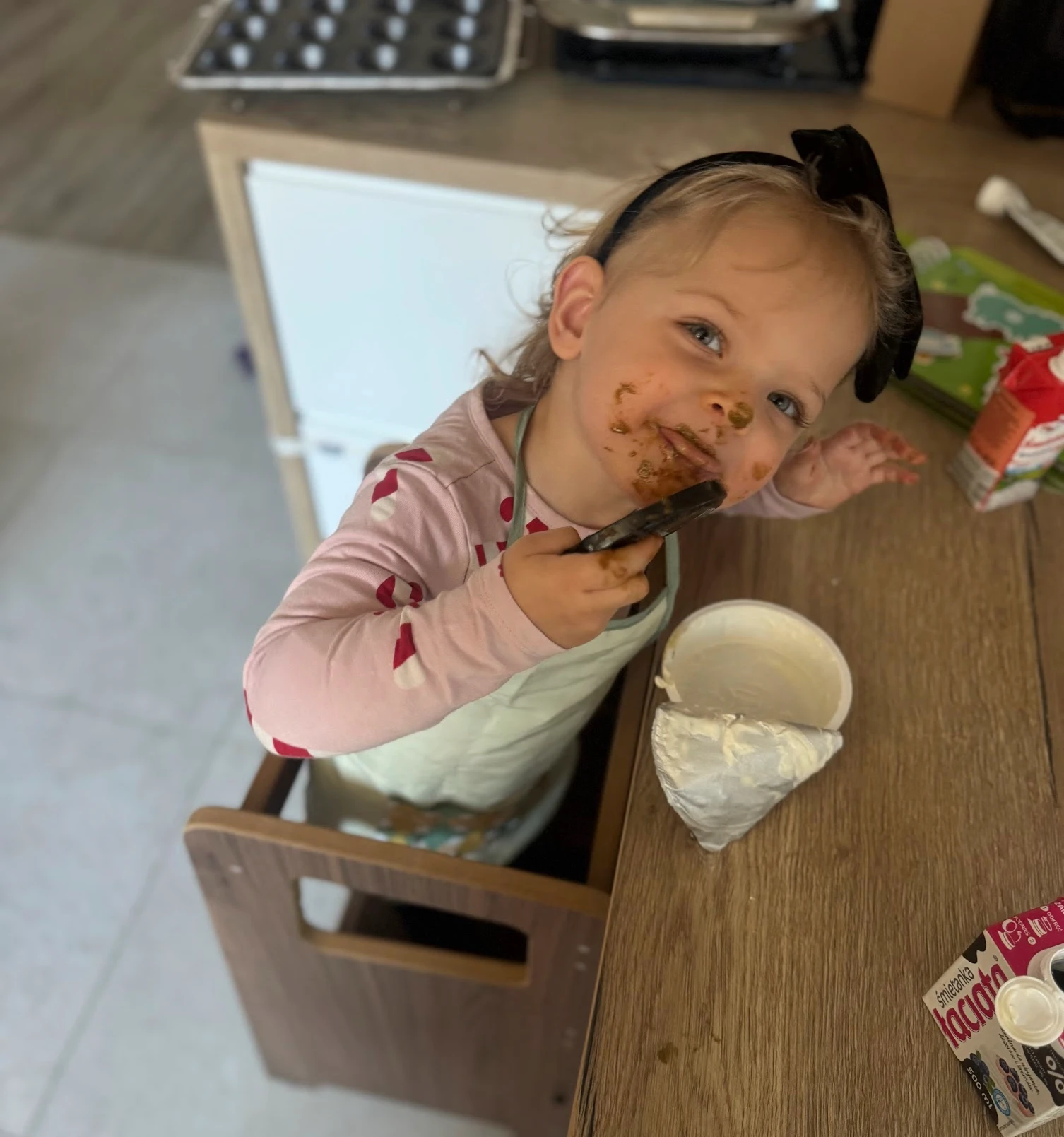
The application was developed within a "Friends & Family" user group, which included the following archetypes:
- A mom cooking for her child
- A mom cooking for the whole family
- An athlete cooking for themselves
- A person on a medical or health-related diet
- A person who simply enjoys cooking delicious meals
The feedback I gathered helped me improve the app and address many edge cases. Most importantly, it allowed us to refine the AI instructions for generating high-quality meal plans and recipes.
05
Key Takeaways
Reduced Time-to-Market by approximately 75% compared to traditional development cycles
This project showcases the efficiency of combining Product Ownership with AI-assisted development. It proves that automating execution allows for deeper focus on product strategy, UX refinement, and rapid iteration cycles.
Delivered a fully responsive, database-driven application with a polished UI