CitNow Group
Revolutionizing Vehicle Health Monitoring
- Industry
- Automotive
- My role
- Lead Designer, Experience Consultant
- Year
- 2022
CitNow Group Revolutionizing Vehicle Health Monitoring
Industry
Automotive
My role
Lead Designer, Experience Consultant
Year
2022
About the company
CitNOW Groupis known for transforming the way sales and aftersales departments communicate with their customers
Objective
When I joined, the team was about to ship a poor experience — UX through UI — built on HTML templates, with no real process design. My first move was a call: recommend redesigning the entire UI, backed by an as-is analysis and by convincing stakeholders. Without that recommendation, there was no project.
PHASE 1: Understanding the challenge
In a rapid Discovery phase I dug into the vehicle-monitoring process and the needs of different user archetypes. I co-led how the product would actually work together with the business analyst — the client’s PM supplied domain knowledge only — and pulled in feasibility experts so implementation stayed grounded in what the business and the technology could support.
Highlights

Identified four key user archetypes for the system: mechanic, repair analyst, workshop manager, and customer contact specialist. While the end customer does not directly interact with the system, their role remains pivotal to the overall process
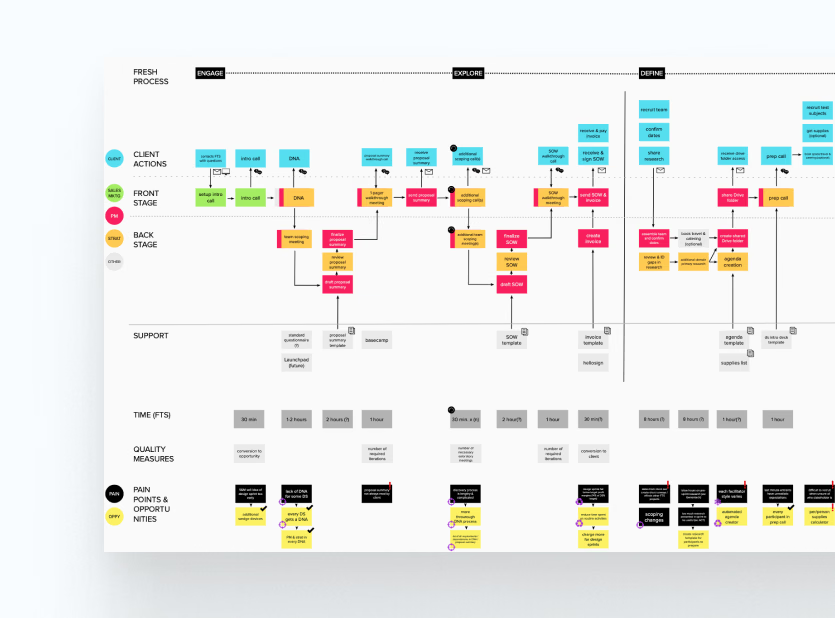
Service blueprint describing the current state of the process all the key process dimensions with a breakdown of the different roles and touchpoints
PHASE 2: Creation a unique experience proposition
Here I framed the questions that mattered: where the market gaps and opportunities were, what a genuinely differentiated experience would look like, and how to get it in front of the market quickly to validate.
Highlights
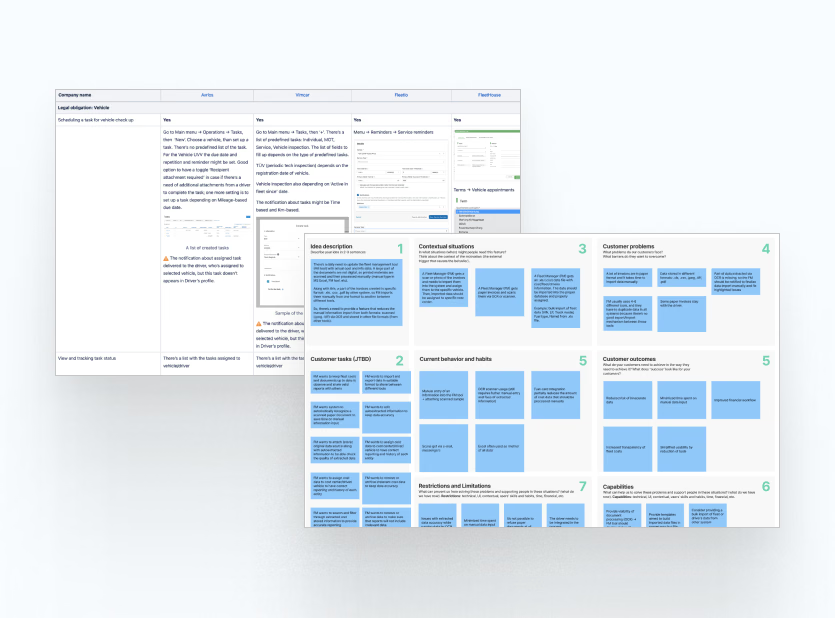
During the collaborative workshop, we built a plan on how to differentiate ourselves in the market, and then we prioritized the facets that will help us create a balanced product - one that delights, but also solves key problems
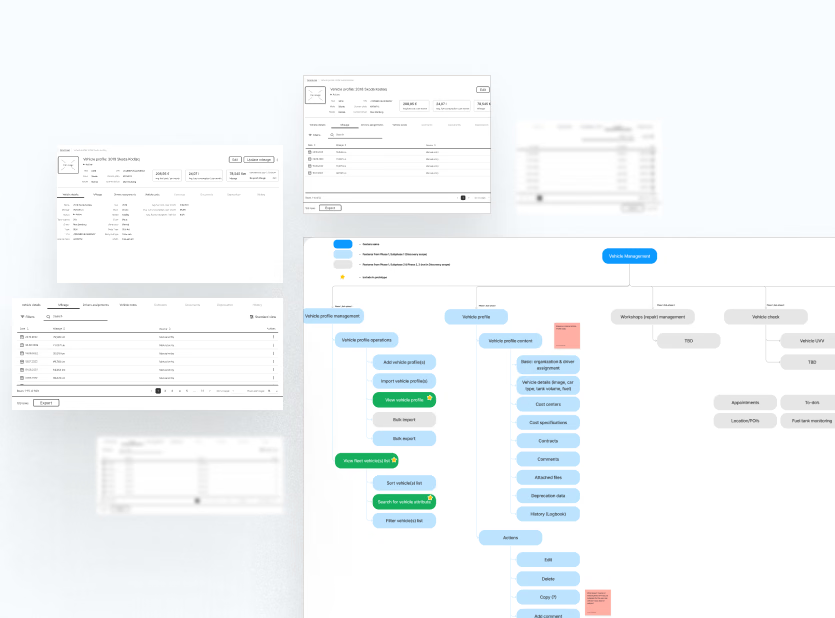
During co-creation, we defined many different directions of how the product should work and what the processes should look like
PHASE 3: Design of the initial concept and its validation
The trade-off was speed. Embedding the design into an existing product ecosystem meant building both a full design and a design system fast enough that the better experience wouldn’t become the implementation bottleneck. I owned the full design and supported user validation after the MVP — and the response was the kind you hope for: they wanted every one of their products to look like this.
The result exceeded expectations - this solution addressed the goals and ambitions with which we launched the project
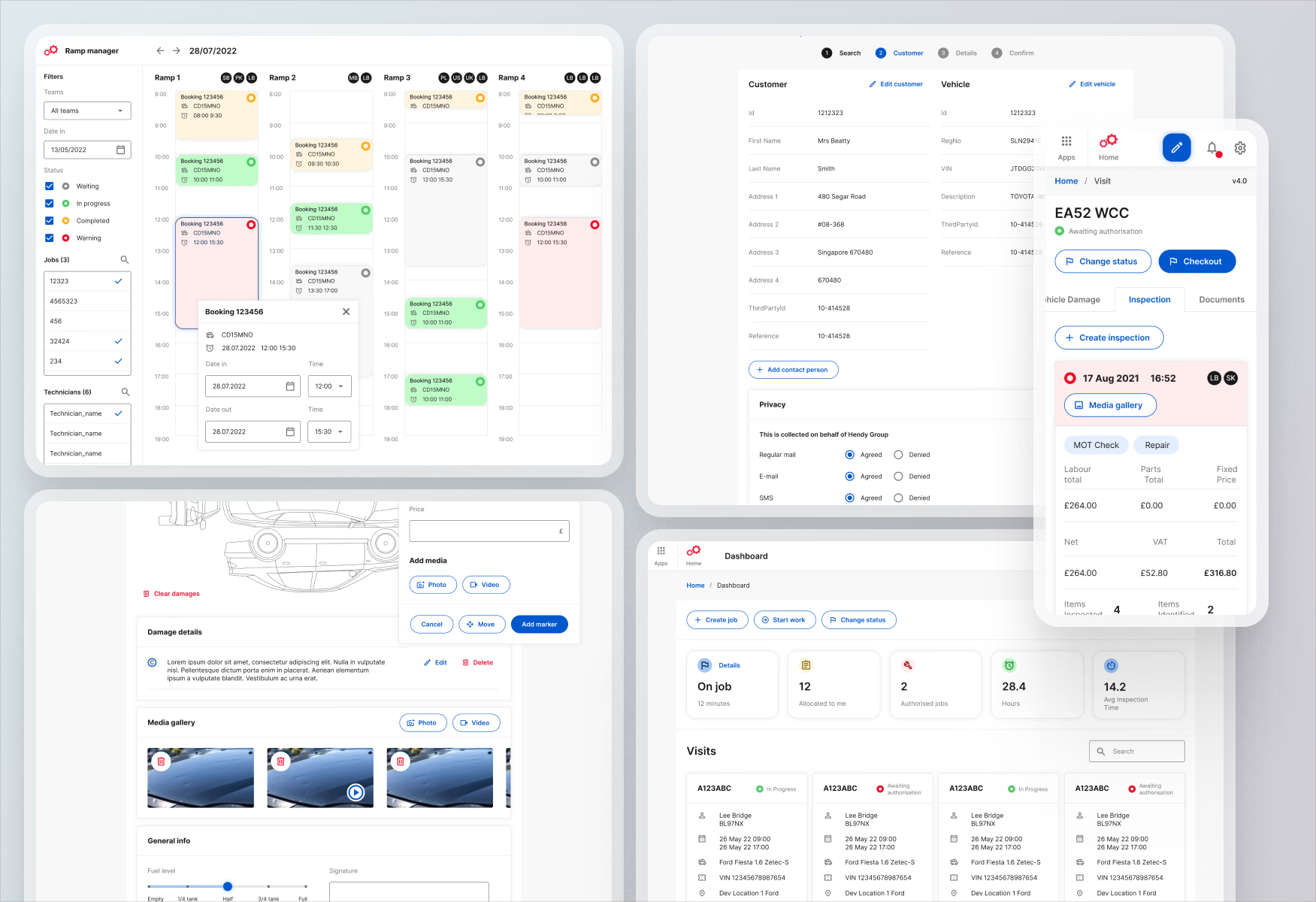
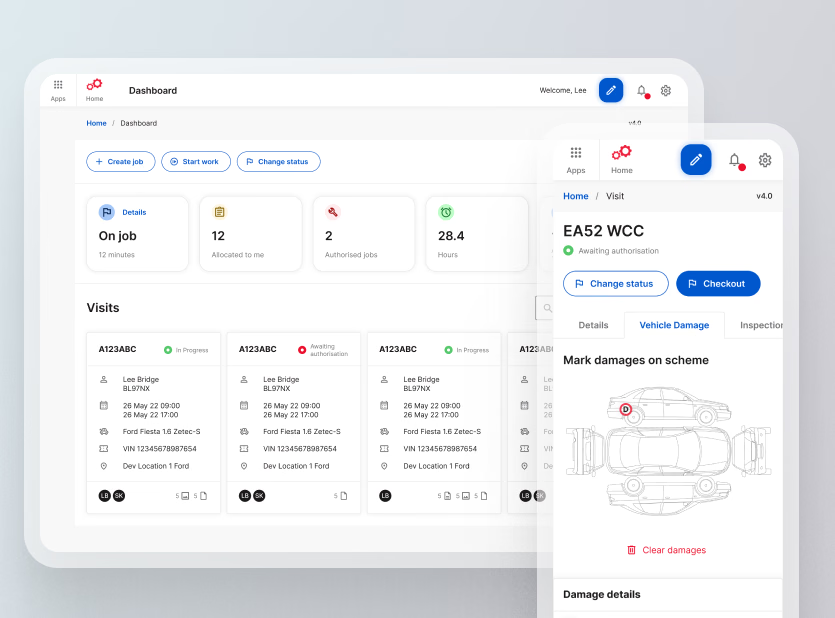
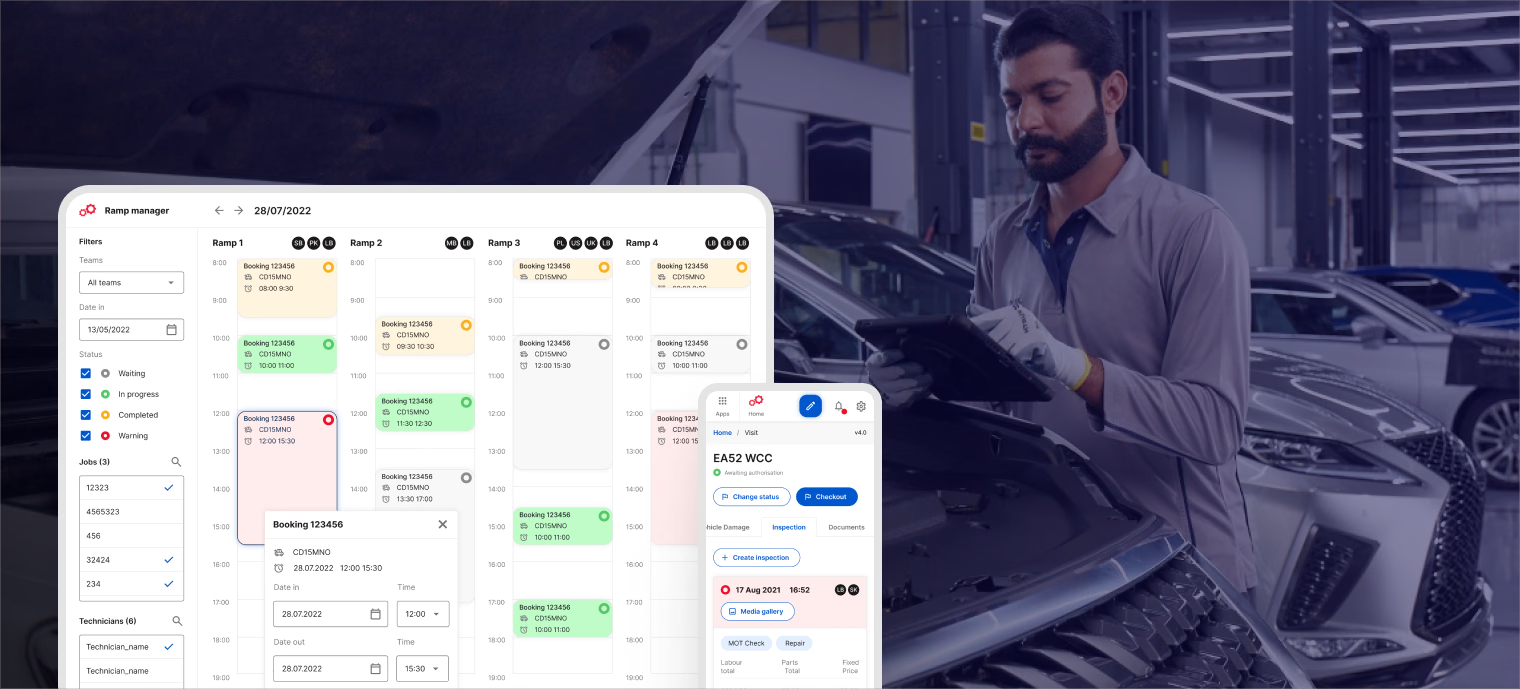
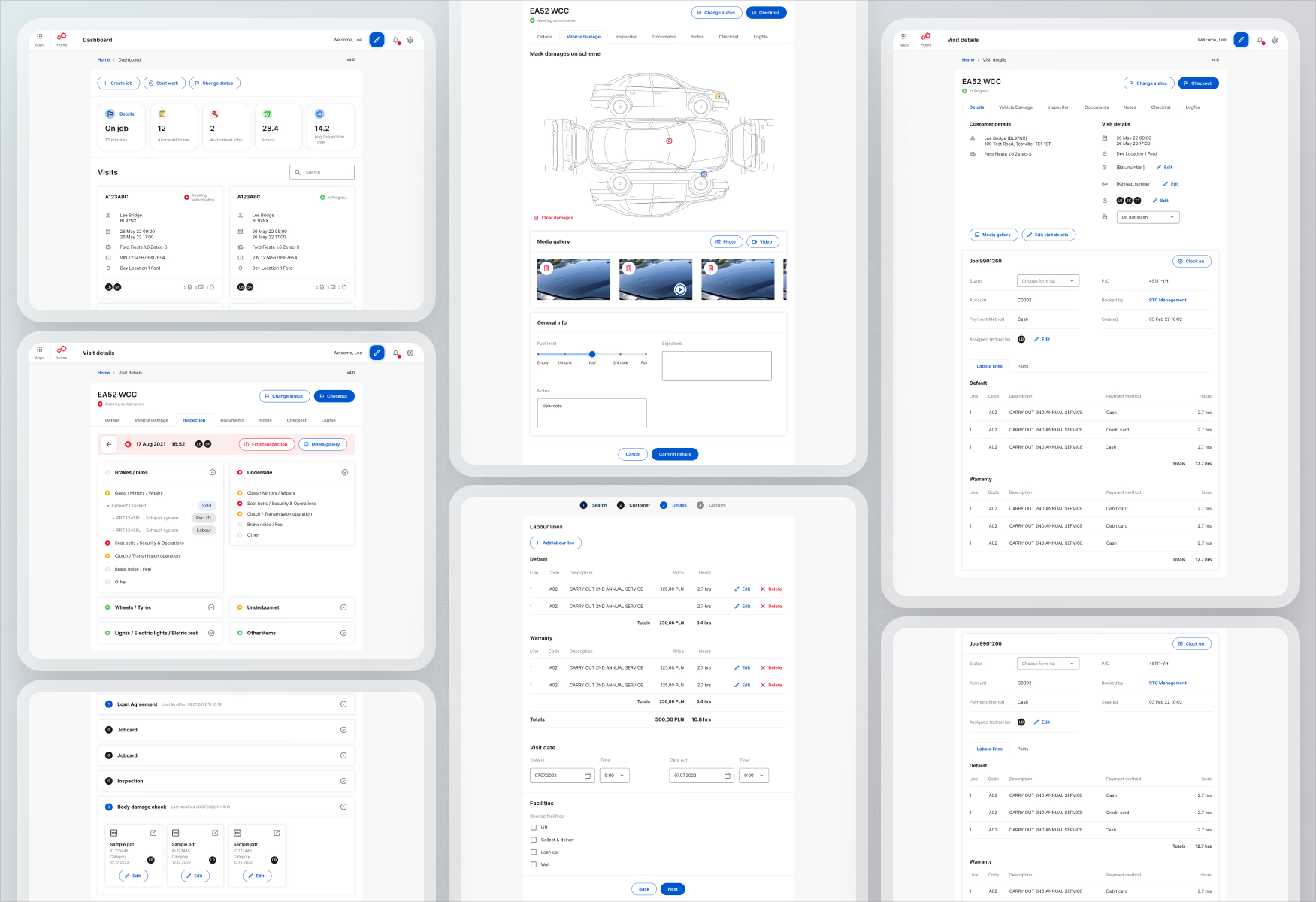
Matching different devices in the process - initialy desktop and smartphone
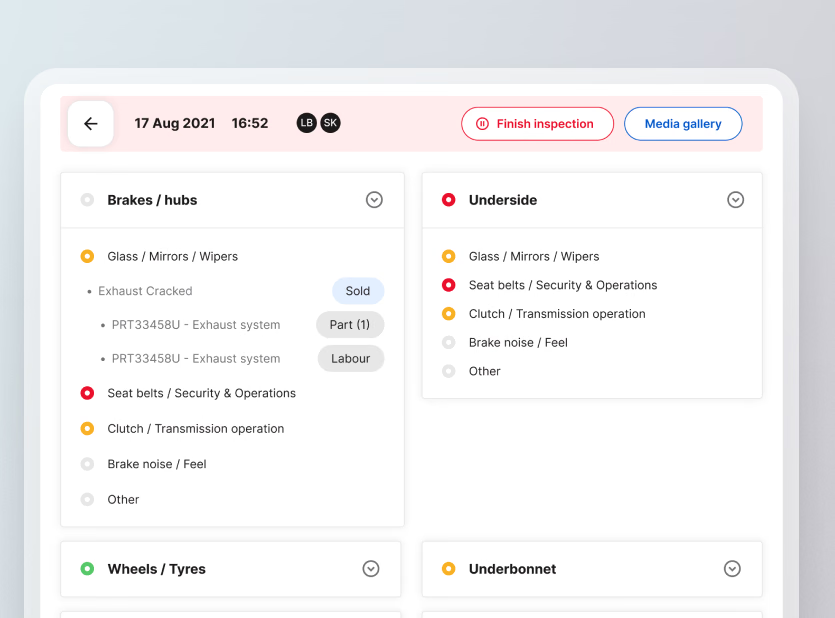
Full support of the auto inspection process and quickly view the status
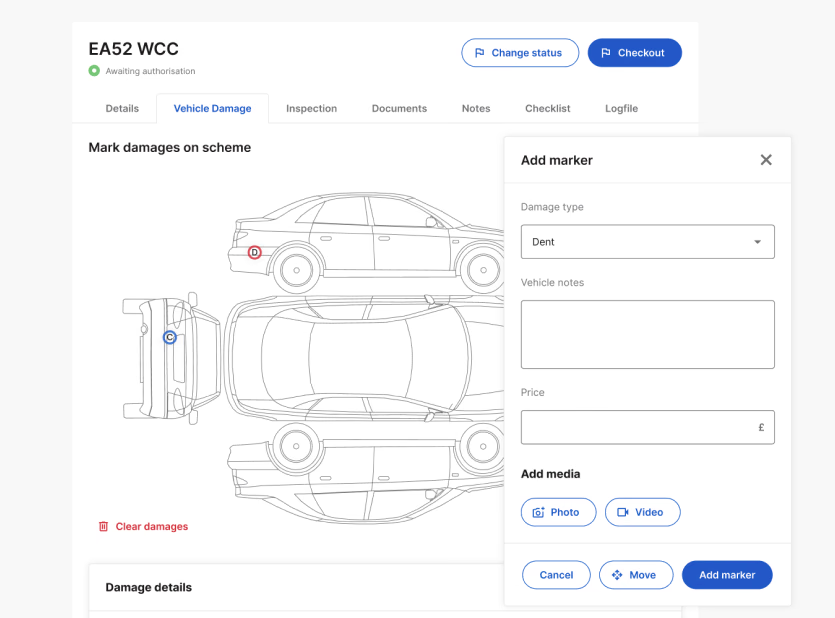
Collaboration of different users in the process of identifying and documenting auto damage
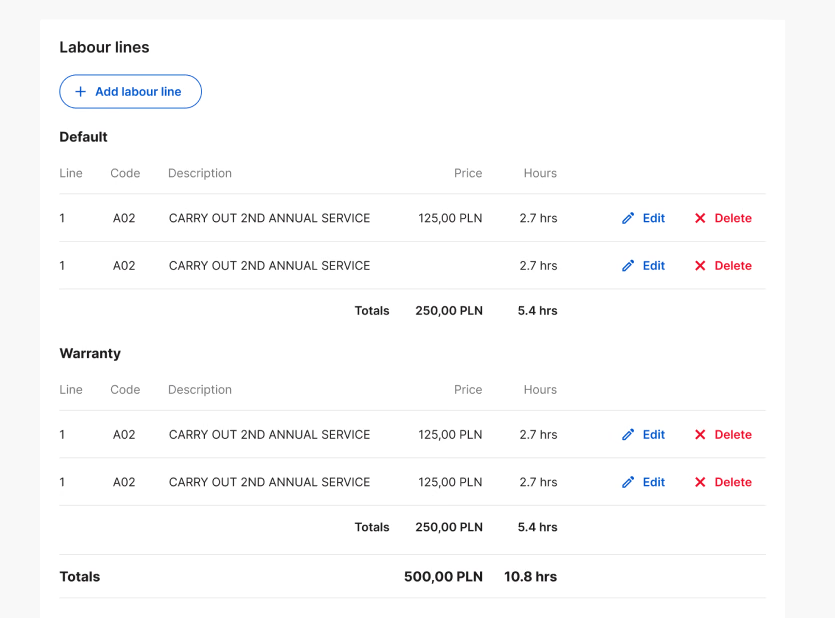
Transparent documentation of all inspection and repair to introduce auditability and clear pricing
PHASE 4: Product Scaling
The trade-off was speed. Embedding the design into an existing product ecosystem meant building both a full design and a design system fast enough that the better experience wouldn’t become the implementation bottleneck. I owned the full design and supported user validation after the MVP — and the response was the kind you hope for: they wanted every one of their products to look like this.
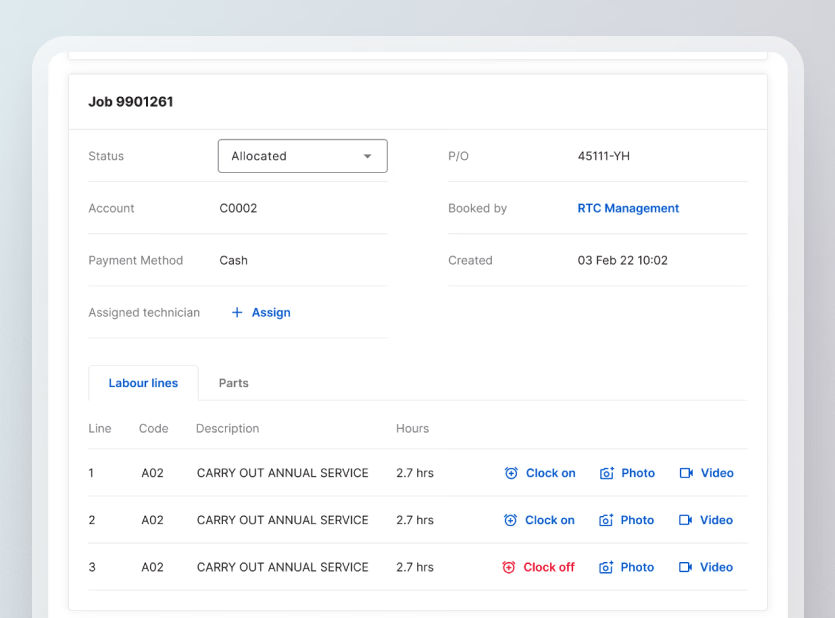
Expand with more functionality to deliver unique value - especially in terms of time recording and more transparent pricing components
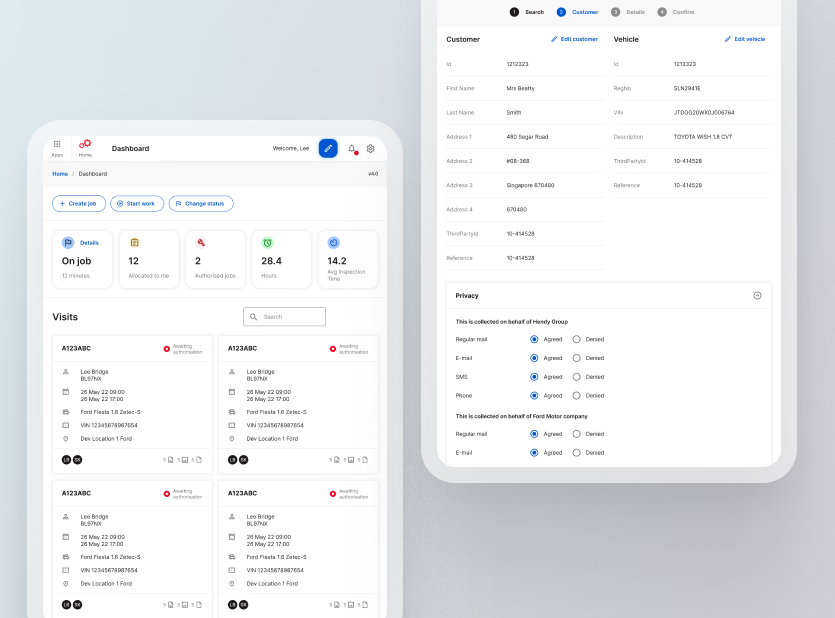
Getting a full fit with major devices and expand to include tablets
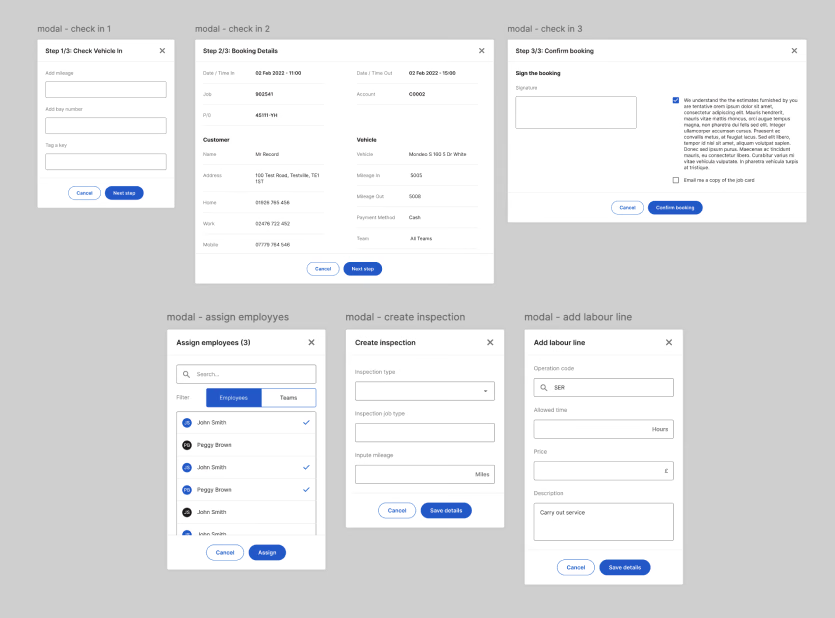
Designing paths beyond the happy path - full customization for different branches of the process
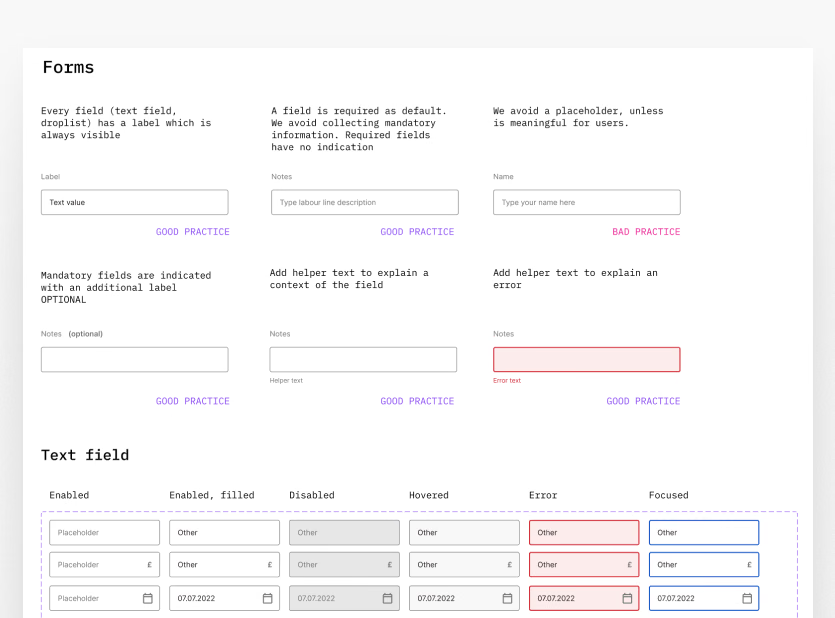
Scaling the UI kit and turning it into a design system that is a structured documentation of design at scale
Outcomes
Gain recognition among stakeholders and investors - validation by obtaining funding for further expansion
The clickable prototype was a conversation starter during trade shows and sales talks when the product was being developed
The prototype also allowed for careful planning of the next phases of product development (the alignment of multiple streams, customer implementations etc.)
The introduction of continous product discovery introduced learning cycles and product development
CitNow Group Revolutionizing Vehicle Health Monitoring
Industry
Automotive
My role
Lead Designer, Experience Consultant
Year
2022
About the company
CitNOW Groupis known for transforming the way sales and aftersales departments communicate with their customers
Objective
When I joined, the team was about to ship a poor experience — UX through UI — built on HTML templates, with no real process design. My first move was a call: recommend redesigning the entire UI, backed by an as-is analysis and by convincing stakeholders. Without that recommendation, there was no project.
PHASE 1: Understanding the challenge
In a rapid Discovery phase I dug into the vehicle-monitoring process and the needs of different user archetypes. I co-led how the product would actually work together with the business analyst — the client’s PM supplied domain knowledge only — and pulled in feasibility experts so implementation stayed grounded in what the business and the technology could support.
Highlights
Identified four key user archetypes for the system: mechanic, repair analyst, workshop manager, and customer contact specialist. While the end customer does not directly interact with the system, their role remains pivotal to the overall process
Service blueprint describing the current state of the process all the key process dimensions with a breakdown of the different roles and touchpoints
PHASE 2: Creation a unique experience proposition
Here I framed the questions that mattered: where the market gaps and opportunities were, what a genuinely differentiated experience would look like, and how to get it in front of the market quickly to validate.
Highlights
During the collaborative workshop, we built a plan on how to differentiate ourselves in the market, and then we prioritized the facets that will help us create a balanced product - one that delights, but also solves key problems
During co-creation, we defined many different directions of how the product should work and what the processes should look like
PHASE 3: Design of the initial concept and its validation
The trade-off was speed. Embedding the design into an existing product ecosystem meant building both a full design and a design system fast enough that the better experience wouldn’t become the implementation bottleneck. I owned the full design and supported user validation after the MVP — and the response was the kind you hope for: they wanted every one of their products to look like this.
The result exceeded expectations - this solution addressed the goals and ambitions with which we launched the project
Matching different devices in the process - initialy desktop and smartphone
Full support of the auto inspection process and quickly view the status
Collaboration of different users in the process of identifying and documenting auto damage
Transparent documentation of all inspection and repair to introduce auditability and clear pricing
PHASE 4: Product Scaling
The trade-off was speed. Embedding the design into an existing product ecosystem meant building both a full design and a design system fast enough that the better experience wouldn’t become the implementation bottleneck. I owned the full design and supported user validation after the MVP — and the response was the kind you hope for: they wanted every one of their products to look like this.
Expand with more functionality to deliver unique value - especially in terms of time recording and more transparent pricing components
Getting a full fit with major devices and expand to include tablets
Designing paths beyond the happy path - full customization for different branches of the process
Scaling the UI kit and turning it into a design system that is a structured documentation of design at scale
Outcomes
Gain recognition among stakeholders and investors - validation by obtaining funding for further expansion
The clickable prototype was a conversation starter during trade shows and sales talks when the product was being developed
The prototype also allowed for careful planning of the next phases of product development (the alignment of multiple streams, customer implementations etc.)
The introduction of continous product discovery introduced learning cycles and product development